
Why Your 60s are the Ultimate Season for Learning
Introduction
There is a persistent myth that the capacity for deep, transformative learning belongs solely to the young. We are told that “you can’t teach an old dog new tricks,” yet modern neuroscience and lived experience tell a much more sophisticated story.
In our 20s and 30s, learning was a means to an end—a degree, a promotion, a mortgage. But in our 60s, the stakes change. For the first time, curiosity is no longer a tool for advancement; it is a pathway to vitality. At Different Perspective, we believe that reclaiming your curiosity isn’t just a hobby—it’s a biological and emotional superpower.
The Cognitive Edge: Neuroplasticity Doesn’t Have an Expiration Date
For decades, it was believed that the brain’s physical structure was fixed by adulthood. We now know this is false. The brain remains “plastic”—capable of forming new neural pathways—well into our 80s and 90s.
When you take up a complex new skill, such as a string instrument or a foreign language, you aren’t just gaining a hobby. You are engaging in “cognitive cross-training.” This process:
- Strengthens the white matter in the brain.
- Improves memory recall and processing speed.
- Builds a “cognitive reserve” that protects against mental decline.
Learning Without the Weight of “Success”
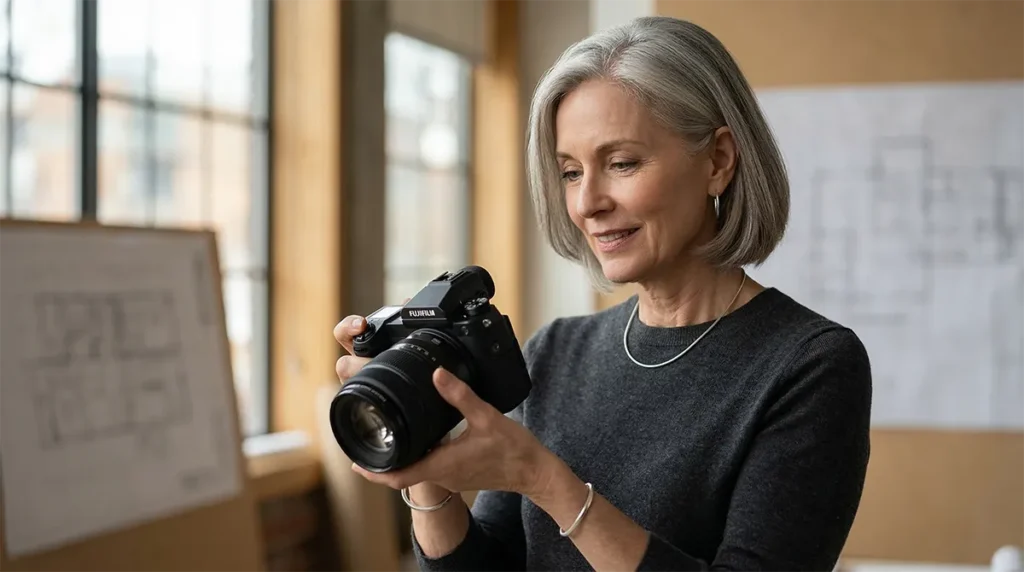
The greatest advantage of learning at this stage of life is the absence of external pressure. You aren’t learning Mandarin to impress a hiring manager; you’re doing it because the tonal shifts fascinate you. You aren’t studying photography to win an award; you’re doing it to see the world through a sharper lens.
This is “Pure Learning.” It allows for a level of focus and enjoyment that was impossible during the frantic decades of career-building and child-rearing. When the fear of failure is removed, the joy of discovery takes over.
Three Ways to Ignite Your Second Act of Curiosity
If you’re wondering where to start, consider these three pillars of intentional growth:
- The Digital Frontier: Don’t just use technology; master it. Whether it’s digital illustration, coding, or sophisticated photo editing, the digital world offers endless intellectual stimulation.
- The Language of Connection: Learning a new language is the ultimate workout for the brain. It forces you to rethink how you structure your thoughts and opens up entire cultures for future travel.
- Manual Mastery: There is a profound connection between the hands and the brain. Woodworking, pottery, or complex gardening requires a blend of physical coordination and spatial problem-solving that keeps the mind sharp.
Conclusion: The Journey is the Destination
The goal of reclaiming your curiosity isn’t to become a master overnight. It is to remain a student of life. By choosing to learn something new today, you are making a defiant statement: that your most interesting years are not behind you, but are currently being written.
What is the one skill you set aside years ago “for another time”? Perhaps that time is now.